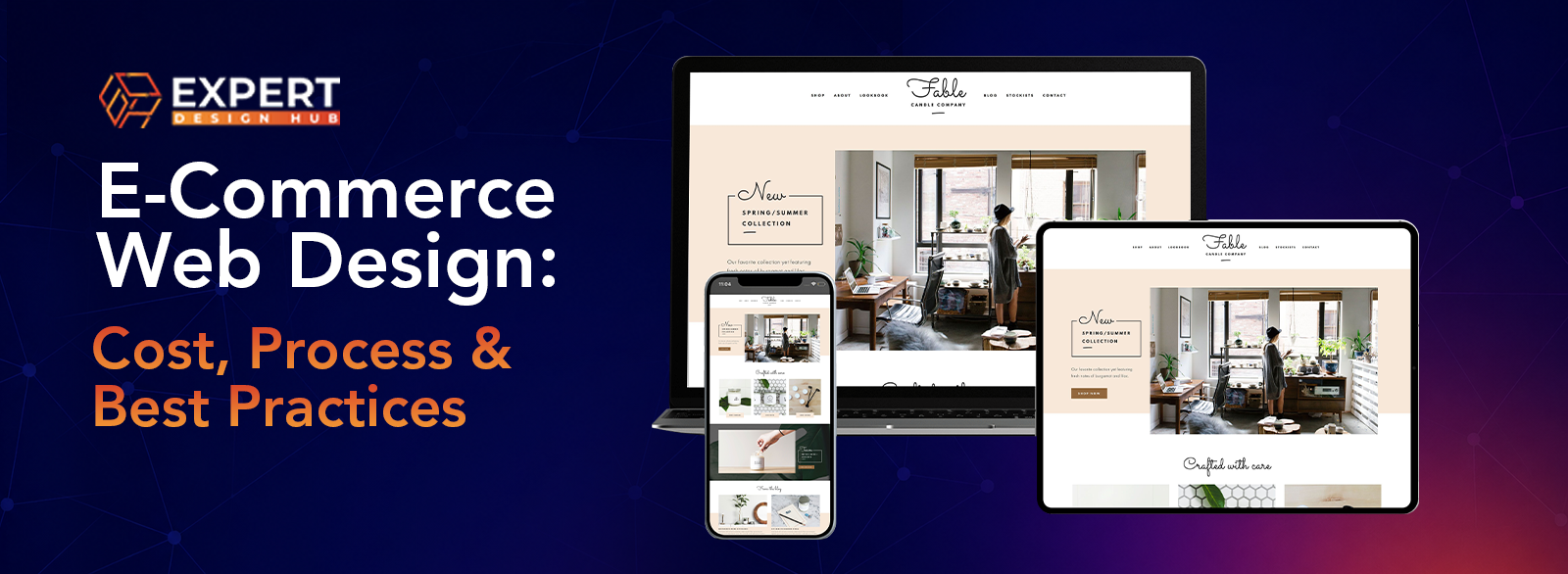
E-commerce website design is the process of creating visually appealing, user-friendly online stores that enable customers to discover, browse, and purchase products easily. It combines responsive design, intuitive navigation, and conversion optimization to build successful digital storefronts that attract customers and boost sales.
E-commerce web design is the process of designing online stores that help customers discover products, evaluate options, and complete purchases with minimal friction. E-Commerce web design is distinct from standard website design because the designer must consider three main elements: aesthetics, usability, and conversion.
Ultimately, e-commerce web design ensures that visitors can browse the store and make purchases easily on their first visit. Every design decision either moves visitors closer to a purchase or increases the likelihood that they leave the site.
It is also essential to understand what e-commerce web design and development are, since the two terms are completely different. E-commerce web design refers to the design of an e-commerce store, including layout, navigation, typography, imagery, and user journeys. Web development, on the other hand, involves the construction, development, and deployment of the complete website, including the frontend and backend.
A store can have great products and great margins, and still lose sales purely because of design. Web design plays a critical role in e-commerce success for several reasons. First, shoppers form an impression of a website in less than a second. Whether the store appears credible depends on the first impression, which is formed without reading any copy. According to research into web credibility, visual design is the single most important aspect of the process.
The conversion rate is also affected by e-commerce web design solutions. Some of the aspects influencing the abandonment of checkouts by consumers are bad navigation, too much merchandise available on the website, and trouble with the checkout process. Other minor aspects that impact the experience of the consumer are the inability to locate the size chart, inaccurate search results, and incomplete information.
Mobile devices are responsible for the lion's share of the traffic on e-commerce sites. Failure to use the mobile-first strategy can have an adverse influence on sales and conversions. The design, brand, and appealing images will make the online store as credible as a physical store. Any font inconsistency, low-quality pictures, or outdated design can destroy this trust, no matter how good the product is or how good the prices for it are.
From concept to launch, our team takes care of the design, development, and deployment, so you get a professional store without the headaches.
talk Live with experts get a free quote nowThe given factors play a very important part in the total performance of a site. Every lack in them silently affects the conversion rate, and low-performing sites have a lack in more than one factor rather than just one.
Everything visible before a visitor scrolls plays a critical role in shaping first impressions. An effective above-the-fold area should have a value proposition, a main navigation bar, and some sort of imagery related to the product category without bombarding the customer with too many calls to action. The task of the homepage is not to sell everything, but to introduce the customer to what's there and guide visitors to proceed to another stage of the sales funnel. For example, a featured category, a best-selling product, a sale, or an ongoing promotion.
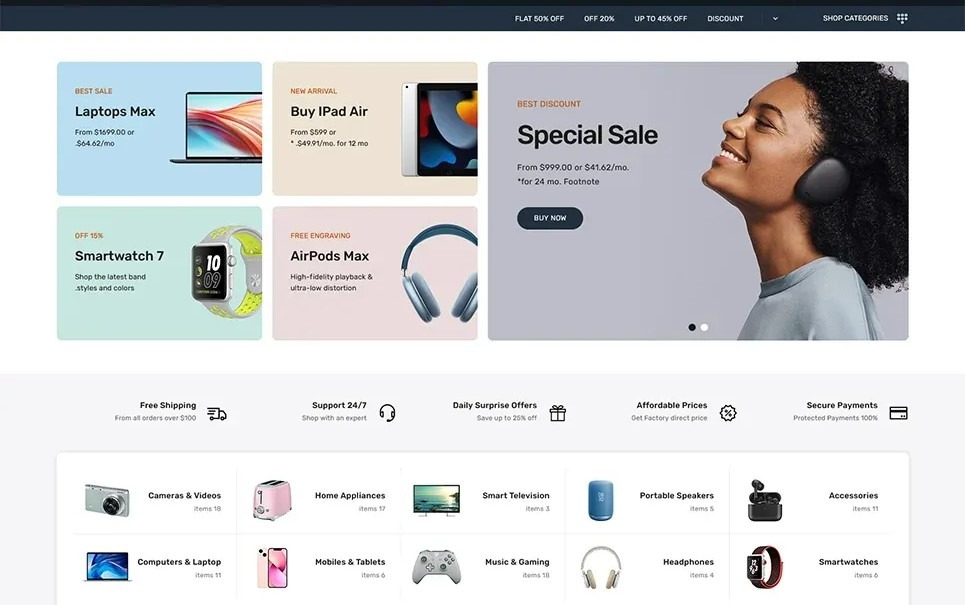
Category structure should be shallow, predictable, and explained. Most customers can find any item using two or three clicks. Mega menus, breadcrumb trails, and a search box make this process easier. The search feature needs to be especially emphasized because autocomplete, typo correction, and filtering on search results can greatly improve conversions among those shoppers who know what they’re looking for.
Category pages are responsible for a significant share of product discovery, even though they tend to generate a lot of traffic. Effective category pages should include intuitive filters for price, size, color, and ratings. There should be sufficient information regarding product availability in the grid for shoppers to be able to differentiate among them without clicking. In many e-commerce audits, category pages receive far less attention than product pages, despite often being responsible for a significant share of product discovery and organic traffic.
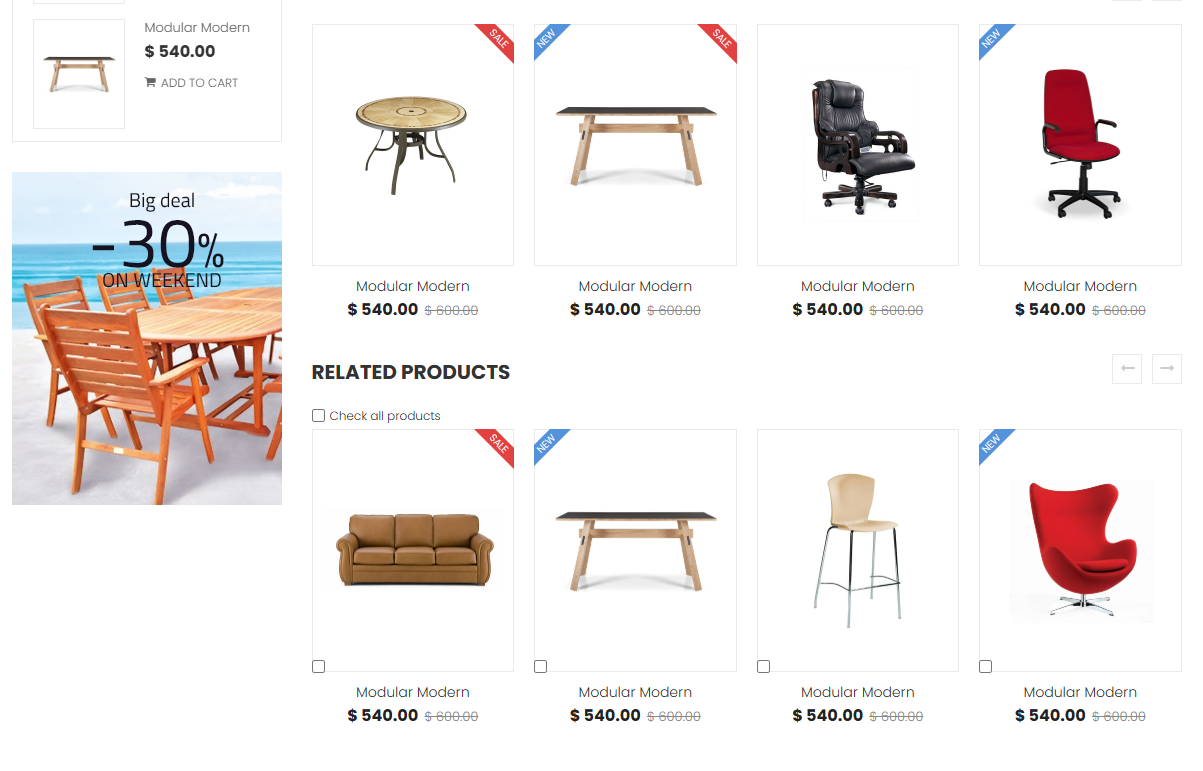
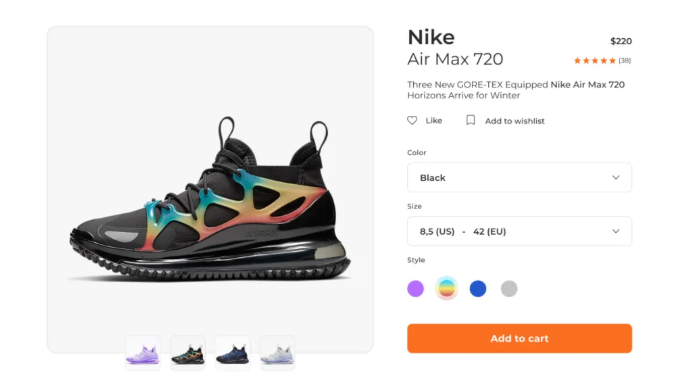
Product pages are where purchase decisions happen. They need:
Product descriptions deserve special attention because they often influence purchasing decisions more than technical specifications alone. The best product descriptions answer the questions shoppers naturally ask in person: what it is made of, how it fits, and how it compares to similar products.
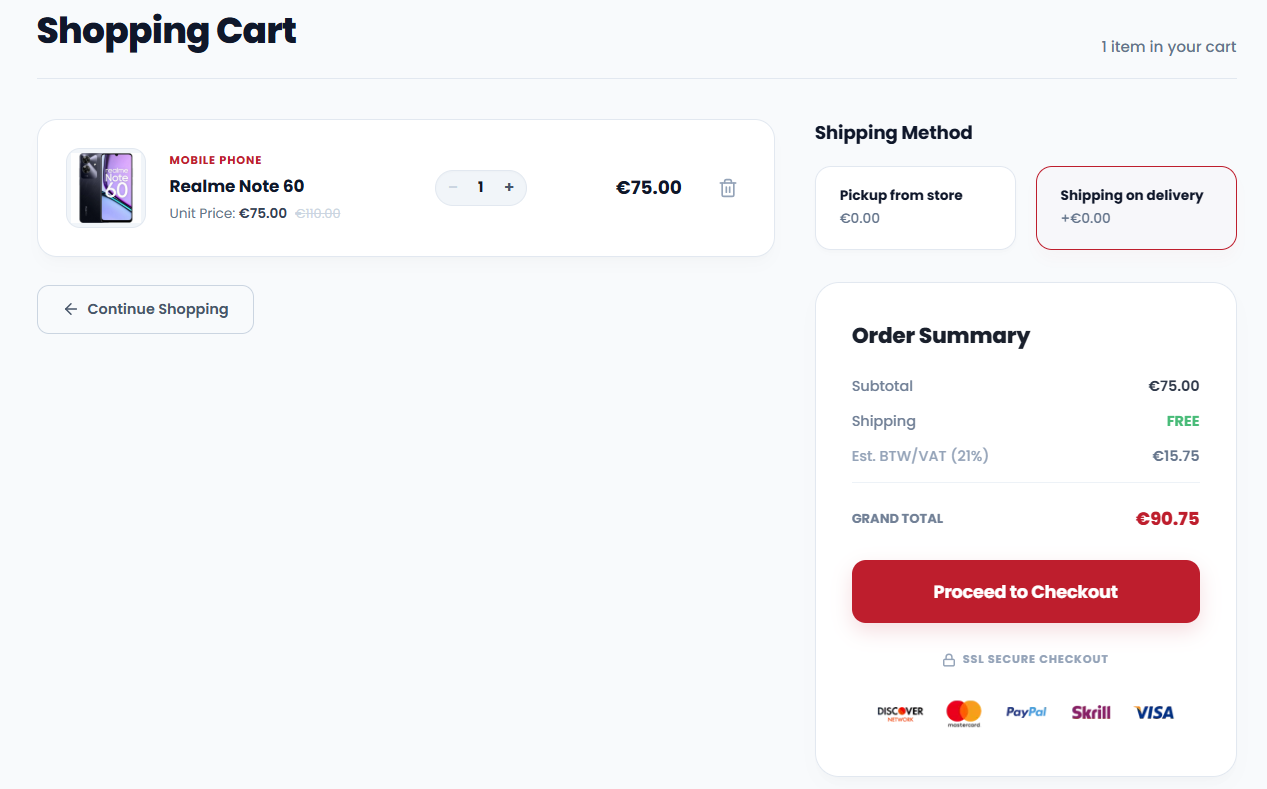
Checkout is the most important element in e-commerce website design. Guest checkout, checkout progress indicator, and multiple payment options are no longer unique competitive differentiators but basic customer expectations. A one-page checkout will be better than multiple steps for a straightforward checkout process, while for complicated processes, multiple steps with proper labels might prove more effective.
In many e-commerce audits, category pages consistently receive far less attention and emerge as one of the largest conversion bottlenecks. Even small changes, such as reducing form fields or enabling guest checkout, can produce measurable improvements in completed orders.
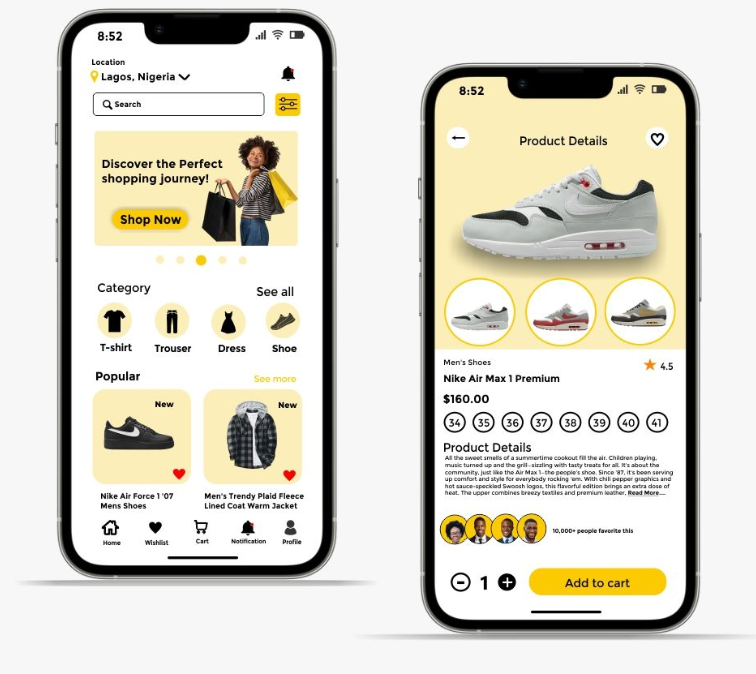
Designing for e-commerce on a mobile platform goes beyond “the website is mobile-friendly.” This includes larger touch targets, menu collapse, and mobile-friendly form elements during the checkout process. Speed and usability can be achieved through mobile designs that have less visual clutter and more optimized images. Sticky elements should enhance usability without obstructing important content.
Speed impacts not only the user experience but also SEO ranking. There are three Core Web Vitals that are most important for e-commerce:
One of the most common performance issues in e-commerce websites is oversized product imagery. Stores often invest heavily in photography but overlook image optimization, which can significantly slow page load times.

About Us pages, return policies, shipping information, and security indicators help reduce uncertainty and strengthen purchase confidence and trust for the buyer. For instance, a properly written return policy displayed near the button to purchase can be just as effective in reducing purchasing anxiety as a discount can.
This is where brand storytelling plays a significant role in web design and e-commerce. A strong About Us page explains the complete business’s story. Why it exists and everything a customer needs to know about your products or an online store. This helps first-time visitors build trust in an unfamiliar brand.
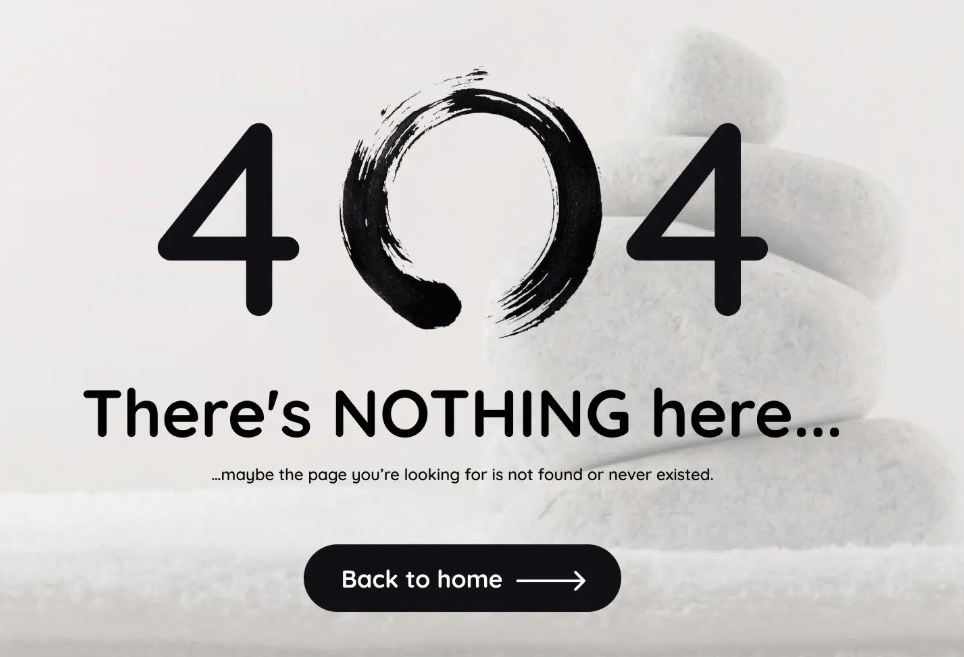
A broken link should not become a lost sales opportunity. A well-designed 404 page should guide visitors toward relevant categories, products, or popular pages, as well as provide some additional information or incentives to stay on the website. According to Google's research, a one-second delay in page load time can negatively impact user experience and conversion rates.
It is not only the elements of the site pages, but also some simple principles that separate efficient web pages from just looking good. Simplicity consistently outperforms complexity in e-commerce design. The fact that a user has to think for a moment about how to move around on the site indicates that the interface lacks clarity.
The primary action an online store ("Add to Cart" or "Checkout") needs to have is a visual priority. The fonts, colors, and buttons need to act the same way throughout the website. Inconsistent behavior, action oriented call to action buttons across the site create uncertainty and reduce trust.
Consistency involves all of the design elements working exactly the same way throughout the whole website. Consistency is essential in web design for e-commerce to ensure that the user can move through the store seamlessly, confidently, and secure checkouts.
Contrast ratio, font sizes, and keyboard navigability are not additional features anymore, but ways to increase the audience and positively impact your search visibility. Moreover, most of the accessibility fixes are beneficial to all users, as they improve the usability of the website at large.
Effective e-commerce website design is built around understanding how shoppers make purchasing decisions.
Not all e-commerce businesses operate in the same way. The purpose of e-commerce web design needs to suit the business model involved. There are different kinds of e-commerce sites that have different processes for their customers, purchasing journeys, and functionalities, which affect how the site will be set up. Some of them include:
B2C ecommerce websites are the most common and widely recognized online stores nowadays. In a B2C online store, a business sells products and services to individuals and customers.
For Example:
In the B2B model, businesses sell their products or services to other businesses. These B2B websites involve large orders and bulk quantity orders and flawless checkouts for bulk payments. B2B models also include account login functionalities so that the customer can create their personal account for payment history, order tracking, multiple quote requests, and reordering.
For Example:
The C2C model enables direct transactions between individual consumers, with the ecommerce platform serving as a marketplace that connects buyers and sellers, usually earning a small commission on each completed sale.
Lean heavily on storytelling and brand identity throughout the design, since repeat purchase behavior depends as much on brand affinity as on product performance
The platform you choose influences both design flexibility and long-term scalability. The most common options:
| Platform | Best For | Flexibility |
|---|---|---|
| Shopify | Small to mid-sized stores | Moderate |
| WooCommerce | WordPress e-commerce stores | High |
| Adobe Commerce | Enterprise stores | Very High |
| BigCommerce | Growing Businesses | Moderate-High |
| Custom Build | Unique Requirements | Unlimited |
For most growing brands, a managed platform along with custom theme design provides the best combination of features, which is the reason why many businesses look specifically for custom e-commerce web design services.
Like Expert Design Hub, we offer custom ecommerce web design and development, no matter if you are starting small or have a mid-size online store. We also help enterprises to build large-scale e-commerce solutions that handle bulk orders and ensure enterprise-level security. We ensure that your website looks attractive, fully functional, with flawless checkouts, and fully secured from malware or hacking attempts. Our web design team first creates the draft of your vision and tailors it according to your requirements. After your approval, we move forward with the development and technical process to make your e-commerce store perform fast. Contact us to get a free quote now or book a 15-minute session and let us drive you through a hassle-free process.
The cost-saving templated platform may be cheaper to build, but it may lead to high costs of developing workarounds if the platform does not provide options for implementing customized checkout logic, advanced shipping options, or currency flexibility, as the business grows and its requirements become more complex.
In e-commerce, web design and e-commerce SEO are closely connected disciplines. Page experience is one of the most critical parameters considered by search engines. The following are the key aspects of e-commerce SEO.
The major purpose of e-commerce web design and development is to comprehend the business, its clients, its competition, and project objectives. The information we gather will serve as the basis for all future decision-making related to your e-commerce web design and development.
The information architecture of a site is responsible for organizing its contents, categorizations, navigation, and workflows. Optimized website architecture will make it simpler for customers to locate the products they want to purchase and perform the intended actions on the site.
Wireframes are basic layouts that map out where important items will be placed and how the pages will function. This phase concentrates on layout and usability, not on appearance. Changing things at this point in time is much quicker and less expensive than changing something later on down the road.
Visual design is the process of turning the approved wireframes into high-quality interfaces. The use of colors, fonts, images, and UI elements results in a professional look-and-feel of your e-commerce platform. The idea is to make the interface visually attractive that reinforce the brand identity.
Development is the stage where the ideas of designers are turned into a fully functional e-commerce website. It involves front-end and back-end development as well as integration of the payment system, shipping, and inventory management, etc.
Quality assurance checks that the website functions as intended on various platforms and screen sizes to maintain the responsiveness of a website. The process includes responsiveness, performance, checkouts, integrations, and every test that helps your website to perform well.
After all testing procedures are done, the website gets launched and becomes accessible to everyone on the internet. If any issues happen after the launch, we resolve every issue with our post-launch maintenance and support
No matter where you're starting from, we turn your idea into a fully working e-commerce store, designed around your brand, built for speed, and ready to launch.
talk Live with experts get a free quote nowIn past years, we have analyzed and developed more than 1000+ e-commerce websites for various industries. However, each site has its own needs and requirements. We always value high-quality websites, usability, trust, mobility, and checkout convenience over visual appeal.
Q1: What is e-commerce web design?
An E-commerce web design is the process of designing a fully responsive online store with a clear user experience to help customers browse desired products and complete purchases easily.
Q2: How much does a custom e-commerce web design service cost?
E-commerce web design costs vary widely based on platform, catalog size, and customization level, ranging from $5,000 to $50,000.
Starter websites cost from $500 to $5,000, perfect for small businesses with limited products and catalogues.
Mid-sized custom ecommerce stores cost from $10,000 to $20,000, ideal for multiple categories and thousands of products requiring custom templates, SEO, analytics, and basic integrations.
Large ecommerce stores or Enterprise level B2B systems cost ranges from $40,000 to $80,000, which includes custom products, custom designed front end and backend, complete checkout patch with secured payment integrations, all custom designed. Best for complex products, advanced payment functionalities, inventory optimization, analytics, tracking, and advanced integrations.
Q3: What's the difference between web design and web development in e-commerce?
Web design focuses on layout, visuals, and user experience, while ecommerce development focuses on building the functional, technical backend that powers the entire store.
Q4: Which platform is best for e-commerce web design?
E-commerce design depends on catalog size, products, and complexity. Shopify and WooCommerce suit most from starting to small businesses, while Magento or custom builds suit larger, more complex catalogs.
Q5: Does e-commerce web design affect SEO?
Yes, Site speed, mobile responsiveness, URL structure, SEO optimized and naturally written content, and schema markup are all design-related factors that directly influence search visibility.
Q6: How long does an e-commerce web design project typically take?
A templated build on a platform like Shopify or WooCommerce can take a few weeks, while a fully custom e-commerce web design and development project can take several months, depending on catalog size and integration complexity.
At Expert Design Hub, we deliver a complete first draft of web design in 24 to 48 hours, depending on your requirements, so that you never get delayed in launching your business online. Get a free quote now by contacting us, and let us help you achieve results while maintaining professionalism.

Founded in 2016, known for the quality services and proven results.
explore moreIn This Article

SEO
Search Engine Optimization, abbreviated as SEO, is a technical method used to optimize websites to improve their ranking in search engine platforms. The very well-known SEO platform is Google. It can be said that SEO works..
Read more >>
Web Development
Web development covers the creativity and management of websites and web applications. It is all about the practical and logical use of high-level languages, frameworks, and tools to create both the client-side..
Read more >>
Web Design
Web design is basically the planning, development, and arrangement of content on websites. It covers the user interface of the website that includes pleasing color patterns, typography, graphics, images, and many elements...
Read more >>Ready To Take Your Company To the Next Gen?

Contact Us
Fill out the contact form, and we’ll be in touch with you soon to learn more about your business.

Project Discussion
After the submission, we discuss strategy, define the scope of work, and recommend the finest solutions.

Launching and maintenance
Once the project is done and launched effectively, we’ll provide maintenance and support to make sure your brand performs well in the digital world.
A Brand Experience Beyond Compare So Contact Us Today

